
Event Recap: A Psychoanalytic Perspective on Griefbots
On Tuesday September 22nd 2026, the AHRC Death Cluster hosted Fahimeh Hajiabadi talking about her research into griefbots and AI, using the Black Mirror episode ‘Be Right Back’ as inspiration.
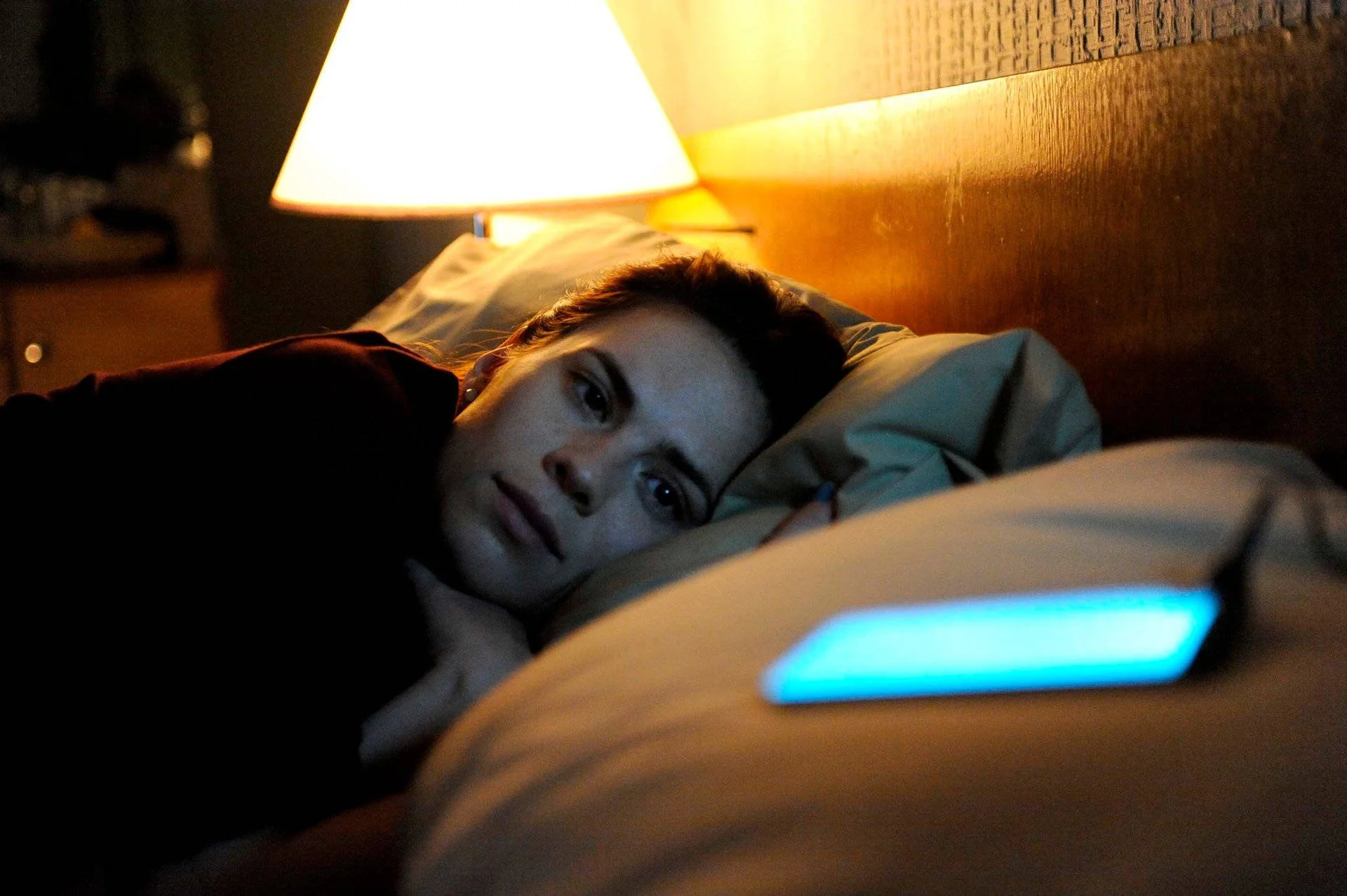
In the episode we meet Ash and Martha, a young couple who have just moved into a country house which used to belong to Ash’s recently deceased parents. In the opening to the episode we learn that in Ash’s family, death was not discussed: when his brother died, all of his things were moved up to the attic along with any photographs of him, and then the same thing happened when his father died later on.
As he’s driving the van back to the rental place, Ash gets into an accident and dies. We soon learn that Martha is pregnant, and understandably she’s struggling to cope.
The situation takes an unusual turn when, at the wake, Martha’s friend Sara encourages her to sign up for a griefbot service: a place that will download all of Ash’s publicly available information into an AI which will then interact with Martha as if it were him. Initially Martha resists, but eventually she caves in, and ends up giving the company his private information too, and then ordering a physical robot which looks just like him.
Predictably, this makes for some strange situations. She feels sort of ashamed of the griefbot, keeps it locked away when her sister comes over. And even though it’s nice to hear his voice and have someone around, she’s still on some level aware that it’s just not him. There are some things that griefbot-Ash does automatically, but other things that Martha has to teach him: things most humans wouldn’t need to be taught, like how to argue with a spouse.
The episode ends by flashing forward to a few years in the future. Martha’s daughter is celebrating her birthday. “But it’s not the weekend,” she says when Martha asks if she wants to go up to the attic. This is a special occasion, Martha replies, and so they go upstairs and we learn that griefbot-Ash now lives in the attic but throughout the week they don’t interact with him.
It’s an interesting premise, and it’s not exactly encouraging that we’re already starting to see Black Mirror episodes coming true.
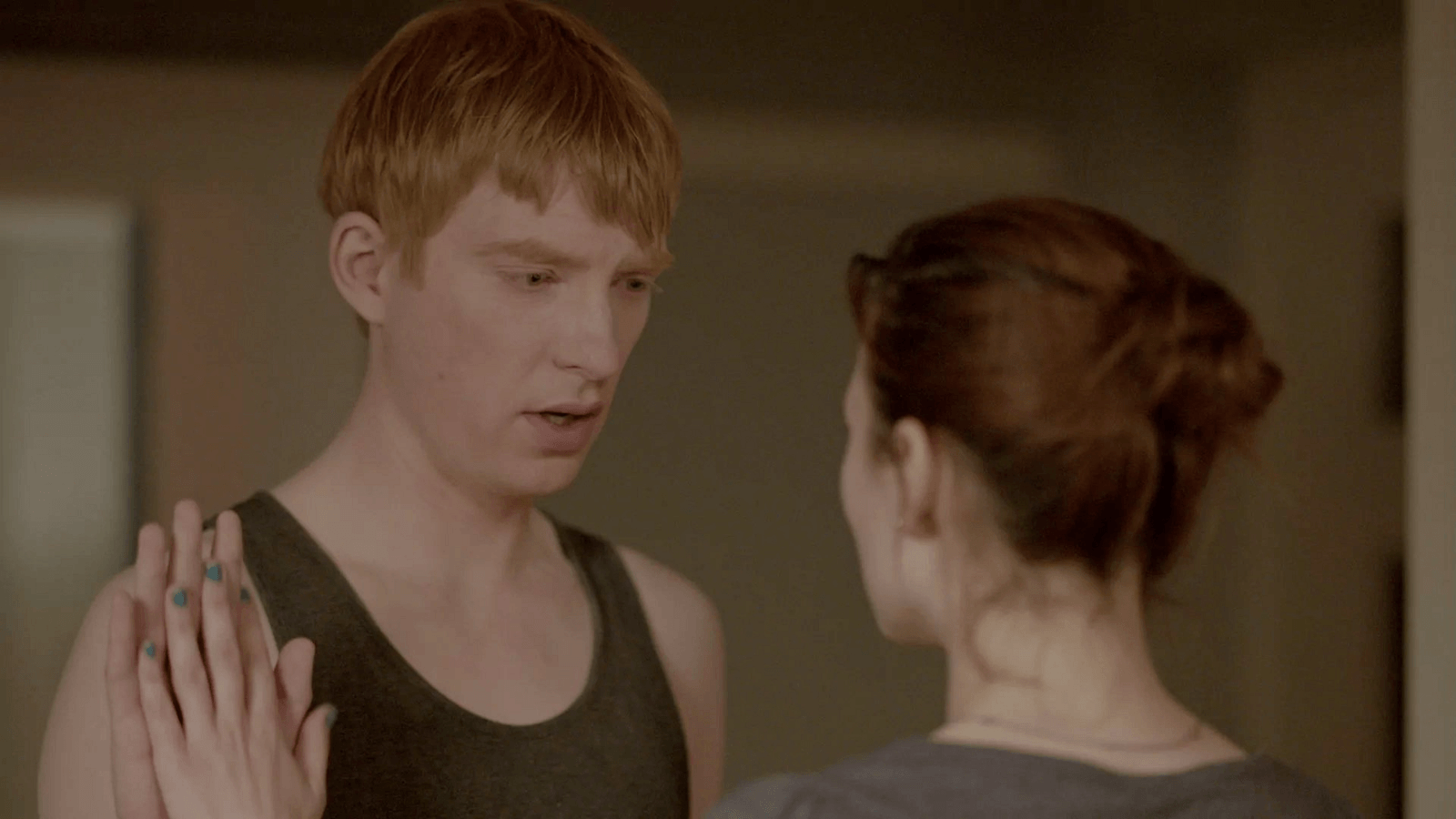
Hajiabadi’s paper looks at the griefbot phenomenon through a psychoanalytic lens, asking whether the use of a griefbot might be akin to the kind of fetishistic disavowal described by Freud. This refers to a phenomenon in which someone knows something is true, and yet denies the reality of the situation, instead setting things up so that they can live in a world of half-truth because dealing with what is actually going on would be too painful.
However, there are certain moments when the reality will break through. Hajiabadi points out that when Martha is visiting her doctor for a scan, she drops her phone and her reaction seems out of all proportion, because her phone is where the Ash-griefbot “lives.” In that moment, Martha was unable to keep reality suspended: she was viscerally reminded that Ash was not there on the other end of the phone.
Rather than working through this and trying to process it, Martha responds by ordering the physical robot, thus pushing herself further into her state of denial.
Hajiabadi also discusses some interesting implications of griefbots becoming popular: what happens when corporations are given that much data? When they can create facsimiles of individual humans? What might it do to our relationships if we believe that they are potentially non-finite: that we can keep someone alive after their death?

We discussed all of these questions and more on Tuesday. We talked about how people might be ashamed of their griefbots, but as they became ubiquitous it might feel shameful not to have one. What would happen if everyone gets a griefbot, we wondered? Could they eventually outnumber humans? What if several people ordered a griefbot of the same person? Could you create your own, to be activated after your death? If so, how might that impact your way of being while you are alive?
There were multiple feelings regarding whether griefbots could ultimately be considered “good” or “bad” for humanity. Whilst several of us (me included) felt afraid of the idea, some pointed out that we all grieve differently anyway, and that there are already plenty of ways in which people turn away from fully experiencing the loss of someone they love, or become so stuck in their grief that they are unable to move forward in life.
I reflected that it’s interesting that this phenomenon is happening now, at a time when the DSM committee has experienced criticism for including a new diagnosis of “prolonged grief disorder” in their most recent edition. It seems that some people believe there is a clinically correct way to grieve: not too short, not too long… a Goldilocks grief.
You can download Fahime Hajiabadi’s paper, The Consoling Eidolon: A Psychoanalytic and Phenomenological Critique of Grief-Tech in Black Mirror, here.
Our next session will take place on the 22nd of October 2026. Dr. Becki Nash from the University of Southampton will be speaking about the ethics of using deceased donor tissue in cosmetic procedures. You can find out more and book tickets (pay what you want) here.